
Aluminum Composite Panels (ACP) have become one of the most popular choices for modern architecture and building exteriors. They are lightweight, durable, and visually appealing, making them an ideal choice for commercial buildings, residential complexes, and decorative installations.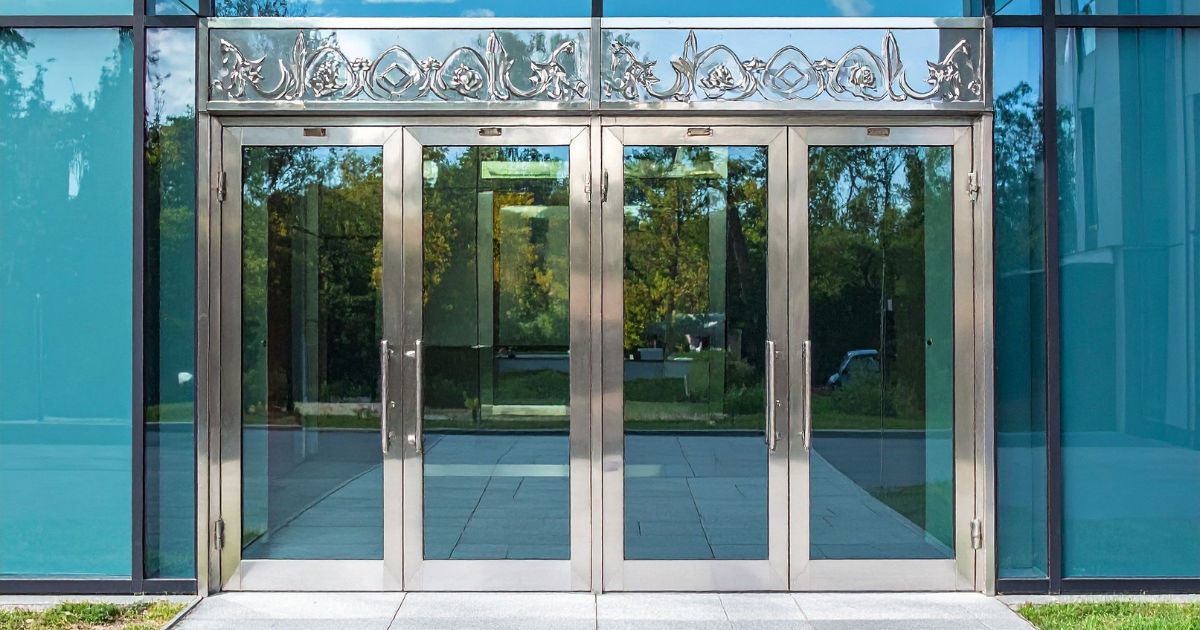
However, like any building material, Aluminum Composite Panels require proper maintenance to ensure they remain in optimal condition for years. This guide will walk you through everything you need to know about maintaining Aluminum Composite Panels, from routine cleaning to preventing long-term damage.
Understanding Aluminum Composite Panels
Aluminum Composite Panels are made of two thin layers of aluminum bonded to a non-aluminum core, usually polyethylene or a fire-resistant material. This structure makes ACP strong, lightweight, and resistant to corrosion. They are available in various colors, finishes, and textures, which adds to their popularity in modern architecture.
Despite their durability, Aluminum Composite Panels are not completely maintenance-free. Exposure to weather, pollution, and physical damage can degrade their appearance and performance over time. Understanding the characteristics of ACP is the first step toward proper maintenance.
Benefits of Aluminum Composite Panels
-
Durability: ACPs are resistant to weather conditions, corrosion, and UV radiation.
-
Aesthetic Appeal: They come in a wide range of colors, textures, and finishes.
-
Lightweight: Easier to handle and install compared to solid aluminum sheets.
-
Flexibility: Can be shaped and bent to fit various architectural designs.
-
Low Maintenance: When properly cared for, ACPs can last decades without significant issues.
Even with these advantages, neglecting maintenance can lead to problems such as discoloration, surface scratches, and reduced structural integrity.
Routine Cleaning of Aluminum Composite Panels
Regular cleaning is the foundation of ACP maintenance. Dirt, dust, bird droppings, and industrial pollutants can accumulate on panels and affect their appearance over time. Cleaning should be performed at least twice a year, and more frequently in polluted or coastal areas.
Materials Needed for Cleaning
-
Soft cloth or sponge
-
Mild detergent or specialized ACP cleaner
-
Clean water
-
Soft brush for stubborn stains
Avoid using abrasive materials or strong chemicals, as they can damage the protective coating on Aluminum Composite Panels.
Step-by-Step Cleaning Process
-
Prepare Cleaning Solution: Mix a mild detergent with water in a bucket.
-
Rinse the Panels: Use clean water to remove loose dirt and dust.
-
Apply Cleaning Solution: Gently scrub the surface with a soft cloth or sponge.
-
Focus on Stains: For tough spots like bird droppings or grease, use a soft brush with the cleaning solution.
-
Rinse Thoroughly: Remove all detergent residues with clean water.
-
Dry the Panels: Use a soft, dry cloth to prevent water spots or streaks.
Regular cleaning not only keeps Aluminum Composite Panels visually appealing but also prevents the buildup of harmful substances that could damage the panels over time.
Inspecting Aluminum Composite Panels for Damage
Maintenance is more than cleaning. Regular inspections are essential to identify potential problems before they become serious. Damage to ACP can include scratches, dents, panel separation, or corrosion.
How to Conduct an Inspection
-
Visual Check: Walk around the building and examine panels for visible damage, stains, or discoloration.
-
Check Panel Joints: Ensure that seams and joints are tight and sealed properly.
-
Look for Rust or Corrosion: Although Aluminum Composite Panels are corrosion-resistant, metal fasteners can rust over time.
-
Check for Physical Damage: Identify dents, scratches, or bending caused by storms, impact, or construction activity.
Inspections should be done at least once every six months, or more often in regions with extreme weather conditions. Early detection of issues can save significant repair costs in the long run.
Preventing Damage to Aluminum Composite Panels
Preventive measures are essential to extend the lifespan of Aluminum Composite Panels. By addressing potential risks early, you can reduce the frequency of repairs and maintain the panels’ aesthetic appeal.
Protective Coatings
Many ACPs come with a factory-applied coating that protects against UV rays, corrosion, and weathering. Over time, this coating can degrade, especially in harsh climates. Reapplying a protective coating every 5–7 years can help maintain panel integrity.
Proper Installation
Proper installation is key to minimizing damage. Panels should be securely fastened, and expansion joints should be included to allow for temperature changes. Poor installation can lead to warping, buckling, or water infiltration.
Avoid Physical Impact
Avoid placing ladders, heavy equipment, or other objects against the panels. Scratches, dents, and bending can compromise the protective coating and reduce durability.
Protect from Extreme Weather
If your building is in an area prone to storms, hail, or strong winds, consider additional protective measures like temporary covers or wind-resistant panel designs.
Dealing with Stains and Contaminants
Some stains, such as oil, grease, or graffiti, require special attention. Prompt action can prevent permanent damage.
Removing Grease and Oil
-
Use a mild detergent mixed with warm water.
-
Gently scrub with a soft cloth.
-
Rinse thoroughly and dry with a clean cloth.
Avoid harsh solvents or abrasive pads, as these can damage the panel surface.
Handling Graffiti
-
Apply a graffiti remover specifically designed for aluminum surfaces.
-
Test on a small, inconspicuous area first.
-
Wipe gently and rinse immediately to prevent residue.
Frequent monitoring and rapid response to stains are crucial for maintaining Aluminum Composite Panels’ appearance.
Maintaining Joints and Seals
Joints and seals between panels are critical in preventing water infiltration and air leaks. Over time, seals can degrade, leading to rust on metal fasteners or damage to the underlying structure.
Steps for Seal Maintenance
-
Inspect seals every 6–12 months.
-
Replace cracked or dried-out sealant.
-
Ensure all joints are properly aligned and sealed.
-
Use sealant recommended by the ACP manufacturer to avoid chemical incompatibility.
Properly maintained seals prevent moisture-related problems and extend the overall lifespan of Aluminum Composite Panels.
Preventing Corrosion and Rust
Although Aluminum Composite Panels are corrosion-resistant, certain conditions can lead to surface corrosion, especially in coastal or industrial areas.
Tips to Minimize Corrosion
-
Wash panels more frequently in salty or polluted environments.
-
Inspect fasteners for rust and replace them with stainless steel if necessary.
-
Avoid contact with metals that may cause galvanic corrosion.
Taking preventive steps against corrosion ensures that your ACP retains both strength and aesthetic appeal.
Repairing Aluminum Composite Panels
Even with careful maintenance, panels may require repair due to accidents, weather, or aging.
Minor Repairs
-
Scratches: Use color-matched touch-up paint to cover minor surface scratches.
-
Dents: Small dents can sometimes be gently pushed out from the back if accessible.
Major Repairs
-
Panel Replacement: Severely damaged panels may need to be replaced entirely.
-
Re-sealing Joints: Damaged seals should be removed and replaced to prevent water infiltration.
Hiring professionals for significant repairs ensures the panels are restored correctly and avoids further damage.
Cleaning Frequency Guidelines
The cleaning frequency depends on the location and environmental conditions.
-
Urban Areas: Clean ACP every 4–6 months due to dust and pollution.
-
Coastal Areas: Clean every 3–4 months to remove salt deposits.
-
Normal Residential Areas: Clean every 6–12 months.
Following a consistent cleaning schedule helps maintain the panels’ color, shine, and protective coating.
Eco-Friendly Maintenance Practices
Maintaining Aluminum Composite Panels does not have to be harmful to the environment. Using biodegradable detergents and avoiding harsh chemicals reduces ecological impact. Collecting runoff water during cleaning and reusing it for plants or washing other surfaces is another sustainable practice.
Benefits of Proper ACP Maintenance
Maintaining Aluminum Composite Panels offers several advantages:
-
Longevity: Well-maintained panels can last 20–50 years.
-
Aesthetic Appeal: Regular cleaning prevents discoloration and fading.
-
Cost Savings: Preventive maintenance reduces the need for costly replacements.
-
Structural Integrity: Proper care prevents warping, corrosion, and water damage.
-
Property Value: Clean and intact panels enhance the overall value of the building.
Conclusion
Aluminum Composite Panels are an excellent choice for modern architecture due to their durability, versatility, and visual appeal. However, they require proper maintenance to retain these qualities over time. Regular cleaning, inspections, seal and joint maintenance, stain removal, and preventive measures against corrosion and physical damage are all essential steps. By following these maintenance practices, building owners can ensure that their Aluminum Composite Panels remain beautiful, functional, and long-lasting for decades.
Maintaining ACPs may seem like a lot of work, but with the right routine and care, it is manageable and highly rewarding. Investing time and effort in maintenance not only preserves the appearance of your building but also protects your investment, reduces repair costs, and extends the life of the panels.
By adopting a consistent, proactive approach, Aluminum Composite Panels can continue to provide a modern, sleek, and durable facade that enhances the overall aesthetic and value of any property.