
Leadership plays a vital role in shaping the quality of patient care in healthcare environments.
In modern healthcare systems, including Sheth Jeebun aged care facilities UK, leadership is not only about managing staff but also about creating a culture where patients feel safe, respected, and valued.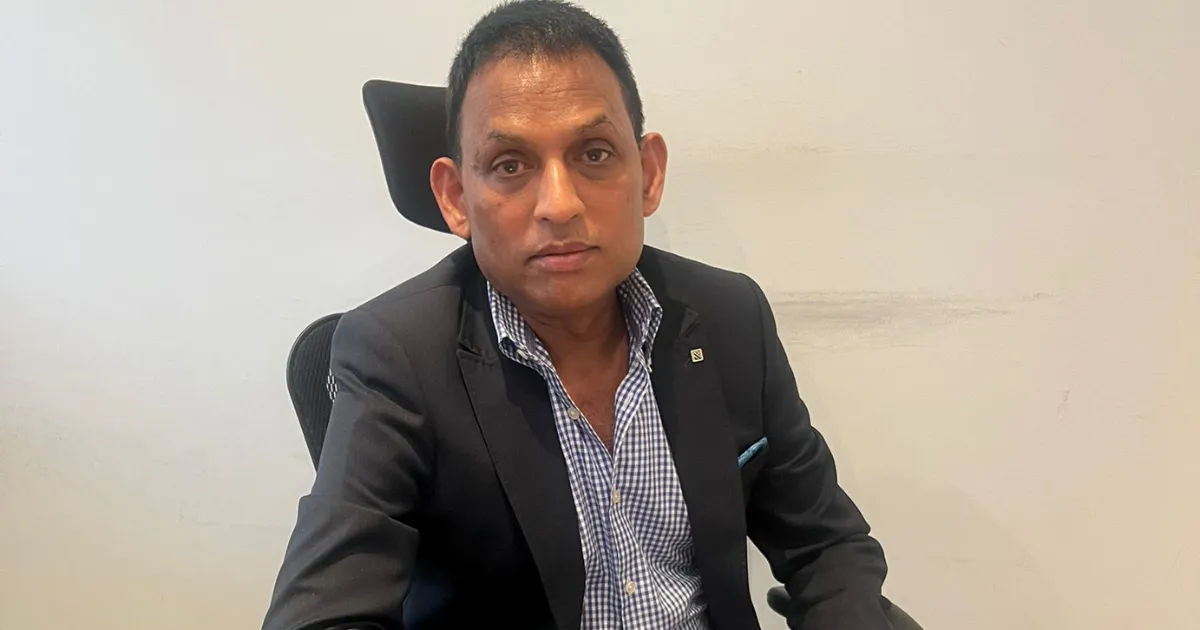
Effective leadership ensures that healthcare professionals work efficiently, communicate clearly, and maintain high standards of care.
This comprehensive guide explores different leadership approaches that influence patient care outcomes. It explains how leadership styles impact staff performance, patient satisfaction, safety, and overall healthcare quality.
Understanding these approaches helps organizations like Sheth Jeebun aged care facilities UK build better systems and deliver consistent, compassionate care.
Leadership in Healthcare
Leadership in healthcare is different from leadership in other industries. It involves emotional intelligence, decision-making under pressure, and the ability to manage diverse teams. Leaders must balance administrative duties with patient-centered care.
In Sheth Jeebun aged care facilities UK, leadership ensures that staff members follow care standards while also addressing the emotional and physical needs of patients. Leaders influence not only policies but also daily interactions between caregivers and residents.
Good leadership creates trust, improves teamwork, and enhances patient outcomes. Poor leadership, on the other hand, can lead to miscommunication, stress, and reduced quality of care.
The Link Between Leadership and Patient Care
Patient care is directly affected by how leaders manage their teams. Leaders set the tone for behavior, communication, and expectations.
At Sheth Jeebun aged care facilities UK, leadership determines how quickly issues are resolved, how effectively staff collaborate, and how patients are treated. When leaders prioritize patient well-being, staff members are more likely to follow the same approach.
Strong leadership leads to:
- Better communication between staff and patients
- Improved safety standards
- Higher staff morale
- Increased patient satisfaction
These factors are essential for delivering high-quality care in environments like Sheth Jeebun aged care facilities UK.
Transformational Leadership in Patient Care
Transformational leadership focuses on inspiring and motivating staff. Leaders encourage innovation, creativity, and personal growth.
In Sheth Jeebun aged care facilities UK, transformational leaders motivate caregivers to go beyond basic duties. They encourage staff to build meaningful relationships with patients and provide compassionate care.
Key features of transformational leadership include:
- Inspiring a shared vision
- Encouraging professional development
- Promoting teamwork
- Supporting innovation
This approach improves patient care by making staff feel valued and motivated. When employees feel inspired, they deliver better service and show greater empathy toward patients.
Transactional Leadership and Its Impact
Transactional leadership is based on structure, rules, and rewards. Leaders set clear expectations and provide rewards or consequences based on performance.
In Sheth Jeebun aged care facilities UK, transactional leadership ensures that staff follow procedures and maintain standards. It is especially useful in maintaining discipline and consistency.
Benefits of this approach include:
- Clear guidelines for staff
- Consistent patient care practices
- Accountability among employees
However, relying only on transactional leadership may limit creativity. That is why organizations like Sheth Jeebun aged care facilities UK often combine it with other approaches.
Servant Leadership in Healthcare
Servant leadership focuses on serving others first. Leaders prioritize the needs of patients and staff over their own.
In Sheth Jeebun aged care facilities UK, servant leaders create a supportive environment where caregivers feel respected and valued. This leads to better patient care.
Key principles of servant leadership include:
- Empathy
- Active listening
- Commitment to growth
- Community building
When leaders serve their teams, staff members are more likely to provide compassionate care to patients. This approach strengthens relationships and improves patient satisfaction.
Democratic Leadership and Team Collaboration
Democratic leadership involves including team members in decision-making. Leaders seek input and encourage participation.
At Sheth Jeebun aged care facilities UK, democratic leadership helps create a sense of ownership among staff. Caregivers feel their opinions matter, which increases engagement.
Benefits include:
- Improved communication
- Better problem-solving
- Higher staff morale
This approach leads to more thoughtful decisions, which ultimately enhance patient care.
Autocratic Leadership in Critical Situations
Autocratic leadership involves making quick decisions without consulting others. While it may seem strict, it is useful in emergencies.
In Sheth Jeebun aged care facilities UK, autocratic leadership can be effective during urgent medical situations where quick action is needed.
Advantages include:
- Fast decision-making
- Clear direction
- Reduced confusion in emergencies
However, overuse of this approach can reduce staff morale. Balanced leadership is essential for maintaining quality care.
Emotional Intelligence in Leadership
Emotional intelligence is the ability to understand and manage emotions. It is a critical skill for healthcare leaders.
Leaders in Sheth Jeebun aged care facilities UK use emotional intelligence to:
- Handle stressful situations
- Support staff emotionally
- Build strong patient relationships
High emotional intelligence improves communication and reduces conflicts. It helps create a positive environment where patients feel safe and respected.
Communication as a Leadership Tool
Effective communication is essential in healthcare. Leaders must ensure that information flows clearly between staff and patients.
In Sheth Jeebun aged care facilities UK, strong communication leads to:
- Accurate patient records
- Better coordination among staff
- Reduced errors
Leaders who communicate well build trust and improve overall care quality.
Leadership and Patient Safety
Patient safety is a top priority in healthcare. Leaders play a key role in ensuring safe practices.
At Sheth Jeebun aged care facilities UK, leadership ensures that safety protocols are followed and risks are minimized.
Important aspects include:
- Monitoring procedures
- Training staff
- Encouraging reporting of errors
Strong leadership reduces mistakes and protects patients from harm.
Building a Positive Work Culture
A positive work culture improves both staff performance and patient care. Leaders are responsible for creating this environment.
In Sheth Jeebun aged care facilities UK, leaders promote:
- Respect among staff
- Teamwork
- Professional growth
When employees feel supported, they are more motivated to provide high-quality care.
Leadership and Staff Motivation
Motivated staff deliver better patient care. Leaders must recognize and reward good performance.
At Sheth Jeebun aged care facilities UK, motivation strategies include:
- Recognition programs
- Training opportunities
- Supportive management
These efforts increase job satisfaction and improve patient outcomes.
Ethical Leadership in Healthcare
Ethical leadership ensures that decisions are fair and patient-centered.
In Sheth Jeebun aged care facilities UK, ethical leaders:
- Respect patient rights
- Maintain confidentiality
- Provide honest communication
Ethical practices build trust and ensure high standards of care.
Leadership in Crisis Management
Healthcare environments often face emergencies. Leaders must stay calm and make quick decisions.
At Sheth Jeebun aged care facilities UK, effective crisis leadership involves:
- Clear communication
- Quick decision-making
- Team coordination
Strong leadership during crises ensures patient safety and reduces panic.
Continuous Improvement Through Leadership
Healthcare systems must constantly improve. Leaders play a key role in driving change.
In Sheth Jeebun aged care facilities UK, leaders encourage:
- Staff training
- Feedback systems
- Innovation
Continuous improvement leads to better patient care and higher standards.
Technology and Leadership
Modern healthcare relies on technology. Leaders must ensure proper use of tools and systems.
At Sheth Jeebun aged care facilities UK, technology helps:
- Track patient data
- Improve communication
- Enhance care delivery
Leaders must guide staff in using technology effectively.
Challenges in Healthcare Leadership
Leadership in healthcare comes with challenges such as:
- Staff shortages
- High stress levels
- Complex patient needs
In Sheth Jeebun aged care facilities UK, leaders must address these challenges while maintaining care quality.
Strong leadership helps overcome obstacles and ensures consistent patient care.
The Future of Leadership in Patient Care
Healthcare leadership is evolving. Future leaders must adapt to new technologies and changing patient needs.
In Sheth Jeebun aged care facilities UK, leadership will continue to focus on:
- Patient-centered care
- Innovation
- Staff well-being
Adapting to change is essential for improving patient outcomes.
Conclusion
Leadership approaches have a direct and powerful impact on patient care. From transformational and servant leadership to transactional and autocratic styles, each approach plays a role in shaping healthcare outcomes.
In environments like Sheth Jeebun aged care facilities UK, effective leadership ensures that patients receive safe, compassionate, and high-quality care. Leaders influence staff behavior, communication, and overall performance.
The best leaders combine different approaches to meet the needs of patients and staff. They focus on emotional intelligence, ethical practices, and continuous improvement. By doing so, they create a healthcare environment where patients feel valued and cared for.
As healthcare continues to evolve, leadership will remain a key factor in improving patient care. Organizations like Sheth Jeebun aged care facilities UK must invest in strong leadership to ensure a better future for both patients and caregivers.