
Ice Hockey Nhl Predictions – 10 Tips To Identify Injuries And Roster Changes
When you make NHL predictions, it’s important to consider the effects of injuries and team changes. These elements could significantly affect a teams performance. Here are ten methods to evaluate these aspects.
1. Check Injury Reports frequently Make sure you stay current with daily injury reports by referring to reliable sources such as the team’s website and NHL channels. This will help you understand which players are out and the expected return dates for injured players.
2. Examining the impact of injury: Determine the importance of the injured player to the performance. Injury to key players such as the top players and defensemen, can cause more serious damage than injury to role players.
3. The depth of the roster should be evaluated. Check the performance and effectiveness of the players that are called up from the depth team. Teams that have more depth are usually capable of reducing the impact injuries.
4. Review the condition of Returned Players: Assess the current condition of the players who have returned from injury and their capacity to rejoin the team. When they return, some players may not have reached the full capacity.
5. Look at Recent Changes in the roster: Review any recent roster changes, such as transfer, acquisition of players, and calls-ups. New players bring a new enthusiasm and abilities to a team, but it can take some time for them to adjust to their new system.
6. Examine Line and Defensive Combinations Examine how line and defensive pairings have changed because of injuries, roster changes or other circumstances. New combinations could affect the team’s chemistry and their performance.
Analyze the performance history of the players who have been replaced. Learn what they have done in the past. Their performance in the past can provide insights into how they may affect the team.
8. Be aware of the medical staff of the team as well as training. Teams with a well-trained coaching and medical staff are more able to handle injuries, and accelerate player recovery. Analyzing the effectiveness of a team’s medical staff will give you an idea of how fast players could return to form.
9. Analyzing the timing of changes in rosters and injuries in relation to upcoming games is important. Injury suffered before an extended time period or major matchups may have a greater effect on the team than injuries which happen at a later time.
Review Coaching Strategies and Changes: Know the way that coaches adjust their strategies as a result of injury or roster adjustments. It is not uncommon to see coaches adapt their strategies in order to compensate players who are injured or roster changes.
You can increase the accuracy and accuracy of your NHL forecasts by considering these guidelines. Read the recommended Profitable Ice Hockey NHL Prediction Strategy for site recommendations including ice hockey ice hockey, nhl ice hockey, oilers hockey, flyers hockey news, nhl rankings, panthers hockey, bruins rumors, nhl hockey for today, hockey nhl hockey, nhl newsletter and more.
Ice Hockey Nhl Predictions Can Be Created Using 10 Easy Guidelines That Can Help You Identify The Home And Away Record Of Your Team.
It’s important to consider every aspect of an organization’s performance, including external factors. Ten tips for evaluating home and away record effectively are as follows:
1. Compare home and away winning Percentages: Compare the team’s win percentage at home and on the road. If there is a significant difference, it could indicate an advantage at home or an inability to win away.
2. Examine the recent trends. Review the latest performances of your team both away and at home. Recent trends, like road and home wins can have an impact on the future games.
3. Check home and away goal differentials. A team with an advantage in goal differentials at home, but a negative one away might be at risk.
4. Be aware of the strengths of your opponents Take note of how powerful opponents are at home versus away. Consider the strength of opponents: A team could be playing fewer games during their home games compared to games played away that are more challenging.
5. Examine the Impact of Travel Examine the effect on performance. A team’s ability to perform away from its home may be affected by long road trips and multiple games within an extremely short period of time or a series of back-to-back games.
6. Take a look at home and away Power Plays and Penalty Kills. Examine how the team is performing with power plays and penalty kills in the home arena versus on the road. Special teams can have a huge impact on the game.
7. Check Recent Head to Head Performance: Look at the results of recent matches played between teams. Be aware of whether they were played in their stadium of home or not. The past performance of the teams can provide clues about the outcome.
8. Examine the influence of the arena. Consider the particulars of your arena. This includes factors such as fan attendance as well as altitude, ice quality, etc. Because of these some arenas enjoy an advantage.
9. Examine injuries and changes in Roster: Assess how changes to the roster or injuries may affect performance at home as well as on the road. If important players are not available the team could be more resilient playing at home.
Look at the coach’s strategies and how they are adjusted for home games and away games. Changes can lessen the impact of travel and venue changes.
You can improve your predictions by incorporating this information into your analysis. Check out the recommended Ice Hockey Forecast for more info including nhl prediction today, nhl nhl schedule, nhl games, nhl games games, bruins news, oilers hockey, nhl ice hockey, nhl picks, nhl hockey ice, ice hockey games tonight and more.
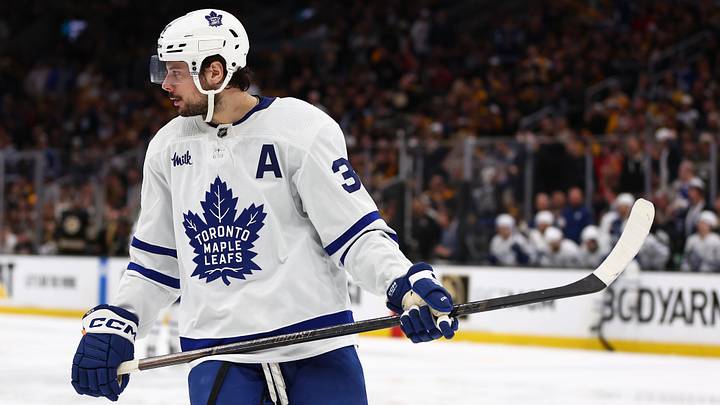
Ice Hockey Nhl Predictions Can Be Formulated Using 10 Strategies To Evaluate The Goalie’s Performance.
It is crucial to evaluate the goalie’s performance when making NHL predictions. Goalie’s performance could have a major impact on the outcome a match. Here are ten tips for evaluating goaltending forms.
Analyze statistics such as the save percentage (SV percent) or goals-against (GAA) as well as shutouts. A high save percentage and low goals-against averages generally indicate good goaltending form.
2. Take a look at the recent results: see what the goalie did in the past five to ten matches. Strong performances consistently suggest good health, whereas fluctuations may suggest instability.
3. Examine the quality of opponents faced: Consider the strengths of the teams the goalie has had to face recently. The character of a goalie could be defined by how they do against teams with high scoring.
4. Analyze advanced metrics. Use advanced statistics such High-Danger Stop Percentage HDSV% and Expected goal against (xGA). These metrics offer a deeper analysis of a goalie’s performance in comparison to the normal stats.
Check the performance of the goalie in key circumstances. These are areas that can reveal a goalie’s ability to deliver crucial performances.
6. Monitor Injury Status and Recover: Keep an eye out for recent injuries or issues which could affect the goalie’s performance. A lingering injury or health issue could influence the effectiveness and shape of the goalie.
7. Check the Goalie’s Past Performance with specific teams. Examine the goalsie’s previous performances against the team they’ll be facing. Some goalies can have good record against specific opponents due to the fact that they are familiar with the team or due to matchup advantages.
8. Evaluate Goalie Rotation and Workload Take note of how often a goalie working and whether they are playing back-to-back games. Goalies are affected by fatigue when they are doing a lot of work or rotating regularly.
9. Examine the defense of the team and the way it assists the goalie. A strong defensive team can help a goalie’s job become easier but a weak defense can result in more difficult circumstances and may skew goalie’s stats.
10. Take note of recent coaching changes or Strategy Adjustments Take a look at any recent changes in coaching or strategy that could impact the goalie. New strategies or adjustments in coaching can impact the performance of the goalie. This is especially true in the event that a defensive modification is implemented by the team.
By using these tips, you can gain more insight into a goalie’s current form and make more accurate NHL predictions based on goalie performance.